
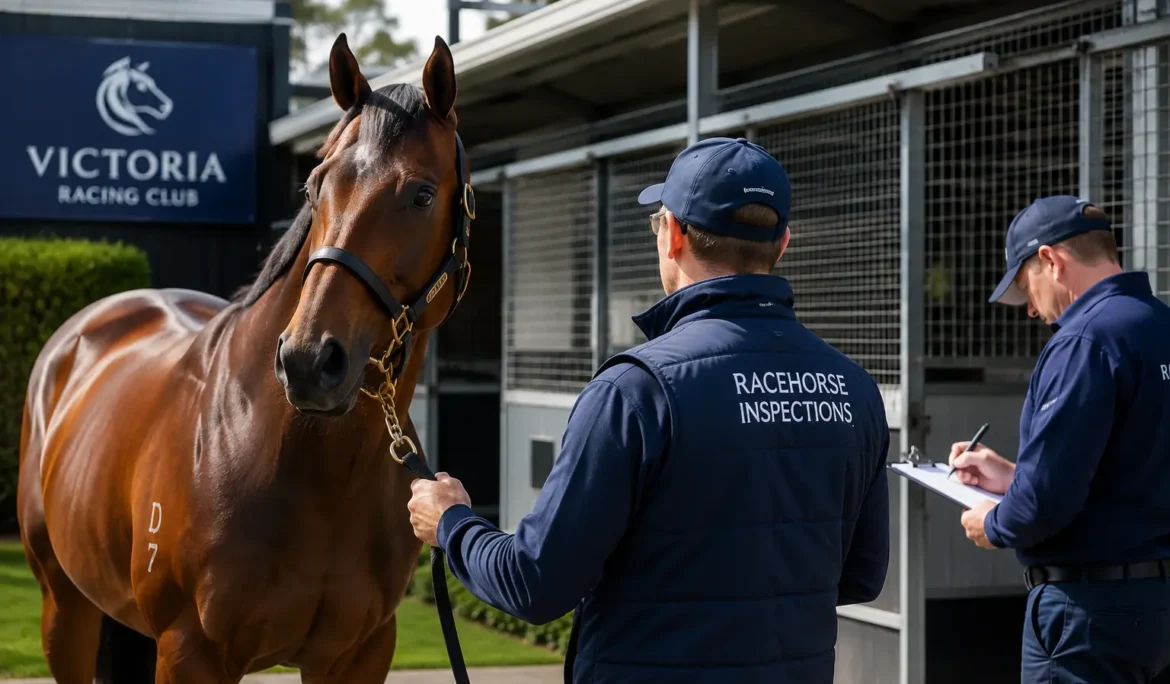
Searching for racehorses for sale in Melbourne often starts with location. Buyers may want a horse close enough to inspect, a trainer they can visit and an ownership experience connected to Victoria’s racing community.
Local access can make those things easier, but proximity alone does not tell you whether a horse, share or ownership arrangement is right for you.
A Melbourne-based listing may make stable visits, inspections and trainer contact more practical. Those advantages still need to be weighed against the purchase terms, ongoing costs, trainer relationship and type of racing involvement on offer.
Thoroughbred Sales lets buyers browse opportunities by location and listing details. Buyers can start with the Melbourne listings, widen their search across Victoria or explore racehorse shares and syndication opportunities depending on the type of ownership they want.
Here is what to compare before making an enquiry.
Start with the racing experience you want to have
The right listing depends partly on what you want from racehorse ownership.
Some buyers want regular stable visits and direct communication with a trainer. Others prefer a professionally managed share that allows them to enjoy race days and ownership updates without being involved in every operational decision.
Deciding how involved you want to be can make it easier to narrow your shortlist.
A whole horse and a horse share create different commitments
Buying a whole racehorse gives you a larger financial interest and greater exposure to ownership costs. Depending on the arrangement, you may also have more involvement in decisions concerning the horse.
A racehorse share divides ownership among several people. Purchase and continuing expenses are generally connected to the percentage owned, although the exact terms differ between opportunities.
Before comparing two listings, check what you are actually buying.
| Compare | Whole horse | Racehorse share |
| Ownership interest | Full ownership interest | A stated percentage |
| Initial cost | Based on the complete purchase | Based on the share and its inclusions |
| Ongoing expenses | Greater exposure to ownership costs | Usually linked to the percentage owned |
| Decision-making | May involve greater owner input | Often managed within an agreed ownership structure |
| What to confirm | Purchase terms, costs, insurance and management | Share percentage, inclusions, fees, communication and decision-making |
The table is a starting point rather than a substitute for the terms of an individual listing or ownership agreement.
Before proceeding, establish:
- the percentage being offered
- what the initial payment covers
- which expenses continue after purchase
- how decisions are made
- how frequently owners receive updates
- what race day or stable access is available
The listing may answer some of these questions. The seller, trainer or syndicator should clarify the rest before you commit.
Match the listing category to your expectations
Victorian buyers may encounter yearlings, unraced horses, ready to run horses, tried horses and syndicate shares when searching for an opportunity.
A yearling may suit someone who wants to follow a horse from an earlier stage of its development. That can also mean waiting longer before racing and accepting greater uncertainty about how the horse will progress.
A ready to run or tried horse may provide more information about its education, preparation or previous performance. That extra information can support your assessment, but it does not remove the risks associated with racehorse ownership.
The right category depends on your budget, patience and reason for becoming involved.
Trainer proximity can improve the ownership experience
Location affects more than travel time.
For a Melbourne buyer, an accessible Victorian stable may make inspections and owner visits more practical. A horse based farther away may still suit you if the trainer’s communication and owner management approach matches what you want.
Think about how you expect to participate after the purchase.
Will you want to visit regularly? Are occasional stable visits enough? Would video, telephone and written updates work for you? Do you hope to attend jump outs, trials or race meetings?
The answer should reflect the ownership experience you want rather than distance alone.
Ask what access looks like in practice
A nearby stable does not automatically mean owners can visit whenever they choose. Access will depend on the trainer, the horse and the arrangements in place.
Ask how visits work and what owners can reasonably expect.
Useful questions include:
- how stable visits are arranged
- how often owner events take place
- whether inspections are available before purchase
- how updates are delivered
- who handles ownership questions
- how race day communication works
Proximity is most valuable when it supports the level of involvement you actually want.
Compare the full story behind each Melbourne racehorse listing
A photograph, pedigree or familiar sire can attract attention quickly. A stronger comparison looks at the listing as a complete ownership proposition.
Read the available details together rather than judging a horse on one feature.
Pedigree can guide questions, though it cannot guarantee performance
Pedigree provides useful information about a horse’s breeding and family.
It should still be treated as one part of the assessment.
A horse’s development, temperament, physical condition, training response and racing opportunities can all influence its career. Even closely related horses can perform differently.
Use pedigree information to ask better questions rather than treating it as a prediction of future performance.
Where appropriate, discuss the horse’s physical type, development and intended racing profile with the seller, trainer or an independent adviser.
Age and racing stage affect the journey ahead
A young horse may still be completing its education. An unraced horse may have progressed through preparation without making an official start. A tried horse may provide previous race, trial or preparation information to review.
Each stage gives the buyer a different balance of information and uncertainty.
Ask what work the horse has completed, what its current program involves and what the expected next steps are.
Any projection about future progress or performance should be treated as an opinion rather than a guarantee.
Photographs and video should lead to more precise questions
Listing photographs and video can help you form an initial impression of a horse’s build, movement and condition.
They do not replace an appropriate inspection or independent professional assessment.
Check when the material was recorded and what it actually shows. A walking video provides different information from trackwork footage, a breeze up or a race replay.
Relevant, recent media can help you identify the questions worth raising before you enquire or arrange an inspection.
The displayed price rarely represents the entire commitment
An advertised figure may refer to a whole horse, a percentage share or another defined ownership interest.
That makes it important to understand what the price represents before comparing one listing with another.
Two opportunities with similar headline prices may involve different ownership percentages, inclusions and continuing expenses.
Ask exactly what the initial amount covers
Request a clear explanation of the purchase price and its inclusions.
Depending on the opportunity, the figure may cover the ownership interest alone or include specified costs associated with the purchase or preparation.
Do not assume that two listings follow the same pricing structure.
Ask:
- what has already been paid
- what the initial amount includes
- whether any inclusions apply only for a limited period
- when regular ownership charges begin
- which costs remain the owner’s responsibility
Written information makes it easier to compare opportunities on the same basis.
Build a realistic picture of continuing expenses
Racehorse ownership can involve training fees and costs associated with areas such as veterinary care, farriery, transport, spelling, insurance, racing and administration.
The actual cost structure depends on the horse and the ownership arrangement.
Ask the seller, trainer or syndicator to explain the expected billing process and the documents available for review.
If you are considering a share, work from the percentage being offered and the stated charging structure rather than the advertised entry price alone.
A realistic ongoing budget gives you a better basis for comparison.
Use a local inspection to test the quality of your shortlist
One advantage of searching within Melbourne or Victoria is the opportunity to inspect some horses without interstate travel.
An inspection should do more than confirm that you like the horse.
Use it to review the information already supplied, see the horse in an appropriate setting and speak with the people responsible for its care or management.
Prepare your questions before the visit
A written question list can keep the discussion focused.
Ask about:
- the horse’s current stage
- recent work or preparation
- temperament
- intended program
- available veterinary information
- ownership terms
- ongoing expenses
- insurance arrangements
- communication with owners
- decision-making responsibilities
Listen for clear and consistent answers. Take notes and request supporting information where appropriate.
Racehorse ownership can be exciting. A structured inspection helps you assess the opportunity before making a financial commitment.
Consider obtaining independent advice
Information supplied by the seller is one part of the decision.
Depending on the purchase, buyers may choose to seek independent veterinary, bloodstock, legal, financial or racing industry advice before proceeding.
The level of support you need will depend on your experience and the size or complexity of the commitment.
Independent advice may be particularly useful where the purchase amount, continuing costs or ownership documents require closer assessment.
Compare the people behind the horse
A racehorse purchase can create an ongoing relationship with the trainer, syndicator, seller or ownership group.
The horse may prompt the initial enquiry, but communication and management can shape much of the ownership experience.
Ask how owners are kept informed
Find out how often updates are provided and what form they take.
Some owners prefer short reports after important developments. Others value video updates, telephone contact or owner events.
The important point is knowing what has been represented and whether it suits your expectations.
Ask:
- who provides updates
- how frequently they are sent
- how urgent matters are communicated
- who handles questions
- how invoices and ownership records are provided
Clear expectations at the beginning can prevent confusion later.
Understand who makes racing and management decisions
Do not assume that holding a share gives you control over every decision concerning the horse.
Ask how racing, veterinary, spelling and other management decisions are handled and who has authority to approve expenditure.
Where an ownership agreement applies, review it rather than relying only on an informal conversation.
Understanding these boundaries before buying gives you a clearer picture of the ownership arrangement.
Melbourne convenience or a wider Victorian search?
Melbourne listings are a sensible starting point if you value easier inspections, stable visits and metropolitan access.
Victoria also has a substantial thoroughbred racing industry. Victorian Government figures state that the sector generates $3.43 billion for the state economy and supports more than 25,700 full-time equivalent jobs. That scale provides useful context for buyers considering opportunities beyond metropolitan Melbourne, although industry size alone does not determine whether an individual horse or ownership arrangement is suitable.
Restricting the search too early, however, may reduce your options.
Expanding your shortlist across Victoria may reveal a horse, trainer or ownership arrangement that better suits your budget and goals.
Distance should influence the comparison rather than control it
When comparing a Melbourne opportunity with one elsewhere in Victoria, consider:
- how often you expect to visit
- how the trainer communicates with owners remotely
- where the horse is likely to race
- how much travel you are comfortable with
- whether the ownership arrangement provides suitable owner access
A nearby horse may be more convenient. A horse farther away may provide a stronger overall fit.
Treat location as one part of the decision rather than the deciding factor.
Questions that deserve a clear answer before you proceed
Some uncertainty is normal when you first assess a racehorse or ownership opportunity. Important purchase details should still become clear before you commit.
Seek further explanation if you encounter:
- vague or changing cost information
- unclear ownership documentation
- pressure to commit before reviewing available information
- uncertainty about who receives or manages funds
- inconsistent descriptions of the horse or opportunity
- promises of racing performance or financial return
- limited answers about communication or owner access
An unanswered question does not automatically mean an opportunity is unsuitable. It does mean you need an adequate answer before making the decision.
Build your Victorian shortlist around fit, not proximity alone
A useful local search starts with three decisions.
First, decide what type of ownership you want.
Second, establish what you can comfortably commit at purchase and on an ongoing basis.
Third, decide how much access, communication and personal involvement you expect.
Once those points are clear, individual listings become easier to compare.
Start with Melbourne racehorse listings if metropolitan proximity matters to you. Expand the search across Victoria if you want a broader choice. If shared ownership is your priority, compare racehorse shares and syndication opportunities as well.
When you find a listing that interests you, use the advertised details to contact the relevant seller, trainer or syndicator and request the information you need.
The closest horse may turn out to be the right one. The stronger decision comes from comparing the whole opportunity first.
Before You Enquire: Questions Victorian Buyers Often Wish They Had Asked Earlier
Should I only consider racehorses based near Melbourne?
No. A Melbourne based horse may make inspections and stable visits easier, but location should be considered alongside the horse, trainer, ownership terms and ongoing costs.
Expanding the search across Victoria may provide more options while keeping your search within the state.
Is buying a horse share simpler than purchasing a whole racehorse?
A share gives you a percentage ownership interest rather than the whole horse.
You still need to understand the percentage being offered, what the initial amount includes, ongoing costs, management arrangements and applicable ownership documents.
Do not judge the commitment on the purchase price alone.
How do I compare two horse shares with different prices?
Start with the ownership percentage.
Then compare:
- what each purchase price includes
- when ongoing expenses begin
- how those expenses are calculated
- how owners receive updates
- how decisions are managed
- what access or ownership benefits are provided
Two advertised prices are only comparable once you understand what each one represents.
What happens after I enquire through a listing?
Thoroughbred Sales provides a marketplace where buyers can discover advertised racehorse and ownership opportunities and connect with the relevant party.
After an enquiry, the buyer and the seller, trainer or syndicator can discuss the horse, price, ownership terms, inspection arrangements and next steps directly.
Review the information provided and seek appropriate independent advice where necessary before entering an agreement.