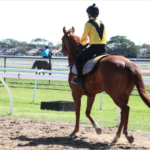
Horses for sale in Australia include everything from unproven yearlings and ready-to-run prospects to experienced racehorses and syndicate shares. Finding a listing is straightforward. Choosing a thoroughbred that suits your budget, racing ambitions and preferred level of involvement takes more consideration.
A well-bred yearling offers the opportunity to follow a horse’s development from an early stage. A tried racehorse provides established racing form to assess. A ready-to-run prospect may appeal if you’re interested in a younger horse that has already begun its preparation.
You can also buy a share in a racehorse rather than take on full ownership.
Each option comes with different costs, timeframes and risks. Understanding these differences helps you narrow your search and avoid spending time on unsuitable opportunities.
At Thoroughbred Sales, we connect buyers with trainers, syndicators and sellers across Australia. Our marketplace brings together racehorses, young thoroughbreds and ownership opportunities in one place.
This guide explains the main types of thoroughbreds available, what ownership may cost and the questions worth asking before you contact a seller.
Before Buying a Thoroughbred, Decide What You Want From Ownership
The right thoroughbred depends on what you want from racehorse ownership.
Some buyers want to attend race days and follow a horse that’s already competing. Others enjoy watching a young thoroughbred progress through education, training and eventually racing.
Your available budget, preferred timeframe and level of involvement should guide your decision before pedigree or racing form catches your attention.
Start with four questions:
- How soon do you want your horse to race? A tried horse may already be competing, while a yearling or unraced prospect could need considerable preparation.
- What can you comfortably afford? Allow for the purchase price, ongoing care, training expenses and unexpected costs.
- How involved do you want to be? Owning a horse outright brings different responsibilities from purchasing a share through a managed syndicate.
- What level of uncertainty are you comfortable with? A horse with an established racing record offers different information from a young prospect with unproven ability.
Your answers will help you identify the most relevant types of horses and ownership opportunities.
For example, if you want to follow a horse already racing, an established runner may suit you better than a yearling. If you enjoy the development process and are comfortable with a longer wait, an unraced prospect may be worth considering.
Making these decisions early gives your search a clearer direction.
Yearlings, Tried Horses and Ready-to-Run Thoroughbreds: What’s the Difference?
Not all thoroughbreds offered for sale are at the same stage of their racing careers.
A yearling is assessed differently from a horse with several race starts. Ready-to-run prospects also require their own approach because early training performance doesn’t necessarily reflect future racing ability.
Understanding what each category offers will help you compare horses more effectively.
Yearlings: An Early Opportunity With Unproven Racing Ability
A yearling is a young horse in its second official year of life. In Australia, thoroughbreds generally share an official birthday of 1 August.
Yearlings appeal to buyers who want to become involved early in a horse’s development.
Pedigree is often a starting point. The sire, dam and wider family’s racing history can provide information about breeding and potential racing suitability.
However, breeding is only one part of the assessment.
A yearling’s physical conformation, movement, temperament and development also deserve close attention.
Even a well-bred yearling with an impressive appearance has not demonstrated its ability in an official race.
You cannot assess established racing form, and there may be limited evidence of how the horse will respond to full training and competition.
A strong pedigree can support your assessment, but it cannot guarantee racing success.
Time is another consideration.
Yearlings generally require further education, conditioning and training before they compete. Some progress quickly, while others need more time or never reach the races.
Training and care expenses can accumulate throughout this period without any prize money being earned.
Before purchasing a yearling, ask about:
- Pedigree and relevant family racing history.
- Physical conformation, movement and development.
- Temperament and handling.
- Veterinary findings and available health records.
- Previous education and preparation.
- Expected training requirements and ongoing costs.
Yearlings may suit buyers who are comfortable with a longer development period and want to experience a horse’s progress from an early stage.
Tried Horses: Established Race Form to Help Your Assessment
A tried horse has already competed in official races.
This gives buyers access to information about previous performances, racing characteristics and how the horse has performed under different conditions.
Depending on the available records, you can examine:
- Previous race starts and finishing positions.
- Performance over different distances.
- Results on varying track surfaces and conditions.
- Race margins and times.
- Recent form and periods away from racing.
- Competition levels and racing consistency.
For example, a horse with an established record over shorter distances may require a different assessment from one that has performed over longer races.
Race form can help you understand where a horse has been competitive, but its current condition matters just as much as its previous results.
Ask about current fitness, training history, previous injuries and the reasons for selling.
A horse may have an encouraging racing record but still require further veterinary investigation or changes to its preparation.
Soundness is particularly important.
Request relevant veterinary information and ask about previous treatment, injuries or training interruptions that could affect the horse’s racing future.
An independent pre-purchase veterinary examination can help identify potential concerns before you commit.
Tried horses may appeal to buyers who prefer established performance information and potentially more immediate racing involvement.
Ready-to-Run Thoroughbreds: Young Horses With Early Preparation
Ready-to-run horses are generally young thoroughbreds that have progressed through early education and training.
Some are offered after demonstrating their movement and speed during a breeze-up or similar preparation exercise.
This provides information beyond pedigree and physical appearance alone.
Buyers may be able to observe how a horse moves at speed, responds to training and handles the preparation it has completed.
However, a breeze-up performance is not the same as established race form.
A horse that performs well during a short demonstration may not reproduce that performance in competitive racing. Other young horses may develop further with additional training and maturity.
When assessing a ready-to-run prospect, consider:
- Pedigree and physical conformation.
- Breeze-up footage, where available.
- Temperament and response to training.
- Preparation history and current fitness.
- Veterinary records and soundness.
- Further training required before racing.
Ready-to-run thoroughbreds may suit buyers interested in a young prospect that has already completed some preparation.
Before making an enquiry, establish exactly what education and training the horse has completed and whether it has competed in an official race.
Quick Comparison: Which Thoroughbred Type Suits You?
The following comparison highlights the main differences when considering horses for sale in Australia.
| Horse Type | Main Information Available | Key Buying Consideration |
| Yearling | Pedigree, conformation and early development | Racing ability is unproven, and preparation may take longer |
| Tried horse | Race form, performance history and current condition | Current soundness and suitability matter alongside previous results |
| Ready-to-run | Early training, physical development and possible breeze-up footage | Early speed does not establish competitive racing ability |
Unraced horses are another option. They may have completed varying amounts of preparation without competing officially.
If you’re considering an unraced thoroughbred, ask what training it has completed and what remains before it may be ready to race.
The most suitable option depends on the information you want available, how soon you hope to participate in racing and your preferred ownership experience.
Buying Racehorse Shares Instead of an Entire Horse
How Racing Syndicates Work
You don’t need to own an entire thoroughbred to participate in Australian horse racing.
Racing syndicates allow multiple owners to hold interests in the same horse and share ownership costs according to the relevant agreement.
For some buyers, purchasing a smaller percentage provides a more manageable entry point into racehorse ownership.
You might, for example, purchase a five or ten per cent share through a trainer or syndicator rather than funding an entire horse.
The initial purchase price, ongoing expenses and ownership entitlements depend on the arrangement.
At Thoroughbred Sales, we feature syndicates and racehorse shares alongside horses available for individual purchase.
A professionally managed syndicate may coordinate administration, training communication and owner updates.
However, services and responsibilities vary between operators.
A smaller ownership percentage does not remove ongoing financial commitments.
You may still need to contribute towards training fees, veterinary treatment, transport and other expenses.
Before buying a share, make sure you understand the total financial commitment and who manages the horse.
What to Check Before Purchasing a Racehorse Share
Syndicate agreements can differ, so review the terms rather than relying on the advertised share price.
Important questions include:
- Ownership percentage: What proportion of the horse will you own?
- Initial purchase price: What does the advertised amount include?
- Ongoing expenses: How are training, veterinary and management fees calculated?
- Additional charges: Could you be asked to contribute beyond the standard monthly amount?
- Management: Who decides where the horse trains, races and what happens in the future?
- Prize money: How are distributions and deductions handled?
- Exit arrangements: Can you sell or transfer your share, and what restrictions apply?
- Retirement or injury: What financial obligations may continue if the horse stops racing?
Also confirm the syndicator’s relevant regulatory and registration arrangements and request the applicable ownership documentation.
The Australian Securities and Investments Commission provides information about horse racing syndicates and horse breeding schemes in Regulatory Guide 91.
Buying a share may reduce your financial exposure compared with owning an entire horse, but it doesn’t eliminate the possibility of financial loss.
For buyers who want to participate without taking on sole ownership, a syndicate can be worth considering once the agreement and expenses are clear.
How Much Does It Cost to Own a Racehorse in Australia?
Look Beyond the Advertised Purchase Price
The advertised purchase price is only one part of racehorse ownership.
According to the Racing Australia Fact Book 2024–25, 4,546 yearlings were sold in Australia during the 2024–25 racing season, with a median sale price of $50,000. This provides a useful reference point for buyers considering yearlings, although individual prices vary considerably. It also reinforces why purchasing decisions should account for the horse’s suitability, available budget and the costs that follow the initial sale.
Ongoing expenses can continue while a horse is racing, preparing for competition or taking time away from the track.
Depending on your ownership arrangement, costs may include:
- Training fees: Preparing, conditioning and managing the horse.
- Veterinary expenses: Routine care, examinations, treatment and unexpected medical needs.
- Farrier services: Hoof care and shoeing.
- Transport: Travel between stables, spelling properties and racecourses.
- Spelling and agistment: Care during breaks from active training.
- Insurance: Coverage where selected or required.
- Racing expenses: Applicable registrations, nominations and other racing-related charges.
- Administration and management: Fees associated with particular ownership arrangements.
Costs depend on the horse, trainer, location, preparation and ownership structure.
A yearling may need months of development before its first race. An established runner may incur regular racing and transport costs. Syndicate owners generally contribute according to the terms of their agreements.
Rather than relying on a broad ownership estimate, request an itemised cost breakdown from the trainer, syndicator or seller.
Ask which expenses are included in standard fees, which are charged separately and how unexpected costs are handled.
This gives you a clearer picture of what you may need to pay beyond the initial purchase.
Prepare for Costs When Your Horse Isn’t Racing
Racehorse ownership doesn’t always follow the expected schedule.
A horse may need additional spelling, veterinary treatment or more time in training. Some horses never reach the track.
Your budget should allow for these possibilities.
Before purchasing, consider what you can comfortably afford throughout the expected ownership period, including times when the horse isn’t earning prize money.
Also ask what happens financially if the horse is sold, retired or unable to continue racing.
Prize money may help offset ownership expenses, but it should never be treated as guaranteed income.
Many racehorses do not earn enough to cover their ongoing costs.
For many owners, the attraction lies in following a horse’s progress and participating in the sport rather than expecting a financial return.
Understanding the likely expenses from the outset helps you make a more informed decision.
A Practical Checklist for Comparing Thoroughbreds for Sale
Once you’ve chosen a suitable horse category and ownership structure, you can begin assessing individual listings.
An attractive photograph, impressive pedigree or competitive asking price may encourage you to investigate a horse further. However, none should determine your decision on its own.
Use the following questions to compare opportunities consistently.
1. Does the Horse Match Your Racing Goals?
Review the horse’s age, experience, preparation stage and likely timeframe before racing.
If you’re keen to follow a horse already competing, an established runner may be more relevant than an unraced youngster.
If you want to experience the development process, a yearling or ready-to-run prospect could be more appealing.
Make sure the horse’s current stage matches what you want from ownership.
2. Is the Asking Price Reasonable?
Assess the asking price alongside the horse’s pedigree, racing history, physical condition and preparation.
Compare similar opportunities where information is available.
A lower advertised price doesn’t automatically represent better value, particularly if the horse has unresolved health concerns or needs considerable additional preparation.
For racing shares, confirm the ownership percentage included in the advertised price and any ongoing charges.
Consider the total cost of ownership, not simply the amount required to purchase.
3. What Do You Know About the Horse’s Health?
Request relevant veterinary information and ask about previous injuries, soundness concerns or interruptions to training.
The information available will differ between a yearling, an unraced prospect and a horse with an established racing career.
Arrange an appropriate independent veterinary assessment before committing to a purchase.
A pre-purchase examination helps inform your decision, although it cannot guarantee future health or performance.
4. Who Is Selling the Horse?
Confirm whether you’re dealing with a breeder, trainer, syndicator or private owner.
Establish that the seller has authority to offer the horse or ownership interest and ask about the terms of sale.
For syndicate shares, review the management arrangements and ownership documentation.
You should understand who you’re purchasing from, what is included and how ownership will be transferred before making payment.
5. What Information Is Missing?
Not every listing will provide all the details needed to make a purchasing decision.
Before progressing, you may need to request information about:
- Current training and fitness.
- Previous injuries or veterinary treatment.
- Reasons for selling.
- Inspection arrangements.
- Ownership documentation.
- Ongoing financial commitments.
- Transport or transfer arrangements.
Make a note of unanswered questions and raise them directly with the advertiser.
A shortlist of three well-assessed horses may be more useful than dozens of listings compared only on price and pedigree.
Focus on obtaining enough reliable information to decide which opportunities deserve further investigation.
Where to Find Thoroughbreds and Racehorses for Sale in Australia
Search by Horse Type, Price and Location
Once you’ve established your buying criteria, you can begin looking for suitable opportunities.
The Thoroughbred Sales horses for sale marketplace brings together listings from trainers, syndicators and sellers across Australia.
You can explore categories including:
- Yearlings.
- Tried racehorses.
- Ready-to-run two- and three-year-olds.
- Unraced thoroughbreds.
- Syndicates and racehorse shares.
- Racehorses available for lease.
Our horse search allows buyers to narrow available listings using criteria such as category, price range, region and trainer.
Additional details, including breeding and sex, can help you assess relevant opportunities.
For example, if you’re interested in younger horses with early preparation, you can focus on ready-to-run prospects. If you prefer shared ownership, you can explore available syndicate interests.
Using your buying criteria from the beginning makes it easier to build a manageable shortlist.
Consider Location Before Making Enquiries
Thoroughbred Sales features horses and ownership opportunities across Australian racing markets, including:
- New South Wales.
- Victoria.
- Queensland.
- South Australia.
- Western Australia.
Location can influence the practical side of purchasing and owning a racehorse.
A horse based interstate may involve additional travel for inspections or transport after purchase.
You may also have preferences about trainers, racing regions and how closely you want to follow the horse’s preparation.
Consider these factors when comparing opportunities, particularly if you’re looking at horses in different states.
Available listings will change as advertisers add or remove horses and ownership opportunities.
How to Enquire About horses for sale in Australia
Finding a promising listing is the starting point for your assessment.
Begin by reviewing the available details, including the horse’s pedigree, racing history, photographs, asking price and seller information.
Identify any gaps before making an enquiry.
On Thoroughbred Sales, you can open an individual horse listing and use the enquiry form to contact the advertiser directly.
Our marketplace connects buyers with sellers. Buyers and sellers remain responsible for their enquiries, due diligence and transaction arrangements.
When contacting an advertiser, ask clear questions about the horse and the proposed sale.
For example:
- Why is the horse being offered for sale?
- What is its current training or preparation status?
- Are veterinary records available?
- Has the horse experienced significant injuries or training interruptions?
- Can an independent veterinary inspection be arranged?
- What is included in the advertised price?
- Are there additional ownership or transfer costs?
- What are the next steps if I decide to proceed?
For syndicate shares, request the ownership agreement and an explanation of all ongoing fees.
If important details are missing, seek clarification before making an offer or committing to a purchase.
A detailed enquiry helps you understand the opportunity and decide whether further inspections or professional advice are appropriate.
Find a Thoroughbred That Suits Your Ownership Goals
Choosing a racehorse starts with understanding your budget, preferred ownership structure and the type of racing experience you want.
Whether you’re considering a yearling, a tried horse, a ready-to-run prospect or a syndicate share, compare the available information and investigate each opportunity before committing.
Thoroughbred Sales helps you explore horses advertised by trainers, syndicators and sellers across Australia.
Ready to find your next thoroughbred?
Browse horses for sale across Australia and build a shortlist that matches your budget, racing interests and ownership plans.
You can also contact the Thoroughbred Sales team if you need help using our marketplace.
Frequently Asked Questions About Buying Thoroughbreds in Australia
Is a yearling or a tried racehorse better for a first-time owner?
Neither is automatically better. A yearling offers the opportunity to follow a horse’s early development, but its racing ability remains unproven. A tried horse provides actual race performances to assess, although future results and soundness remain uncertain. Consider your budget, preferred timeframe and the ownership experience you want.
What’s the difference between a ready-to-run horse and a tried horse?
A ready-to-run horse has generally completed early education and training and may have demonstrated its speed during a breeze-up. It may not have competed officially. A tried horse has raced, allowing buyers to examine established form and performance records.
Can I buy a racehorse with a smaller budget through a syndicate?
Yes. Racehorse shares allow you to purchase a percentage of a horse rather than the entire animal. Initial prices and ongoing commitments depend on the syndicate agreement. Check the ownership percentage, fees, management arrangements and any additional financial obligations before buying.
How much should I budget beyond the purchase price?
Allow for expenses such as training, veterinary care, farrier services, transport, spelling and other costs relevant to your ownership arrangement. Ask for an itemised estimate and include a financial allowance for unexpected treatment or periods when the horse isn’t racing.
What should I check before purchasing a racehorse online?
Confirm the horse’s identity, the seller’s authority, ownership details, price, racing or preparation history and available veterinary information. Arrange appropriate independent inspections and review the purchase agreement before committing. An online listing should be treated as a starting point for due diligence, not a replacement for it.