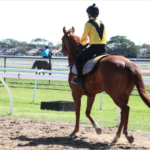
Royal Randwick Racecourse is one of Australia’s most established thoroughbred racing venues, located in Sydney’s eastern suburbs.
Home to major events including The Everest, Doncaster Mile, Queen Elizabeth Stakes and Australian Derby, Randwick brings together elite racing, a long sporting history and some of Sydney’s biggest race-day gatherings.
Its story stretches back to nineteenth-century racing, while its spring and autumn carnivals continue to attract leading thoroughbreds, trainers, owners and spectators.
On major race days, the atmosphere builds as horses enter the home straight. Jockeys ask for one final effort, owners watch every stride and spectators follow the field towards the winning post.
These moments have been part of Randwick’s racing culture for generations, even as the horses, facilities and racing programme have changed.
At Thoroughbred Sales, our interest in Australian racing extends from the horses advertised through our marketplace to the racecourses where their careers may take them.
Whether you’re planning your first visit, following the Randwick races or exploring the venue’s history, this guide covers its famous races, champion horses, track characteristics and practical information for racegoers.
More Than a Racecourse: Why Royal Randwick Holds a Special Place in Australian Racing
Royal Randwick’s reputation has developed through more than a century of organised racing.
The venue has witnessed changes in racing, training methods and facilities while hosting performances that remain part of Australian sporting history.
Understanding how Randwick developed helps explain its place in Sydney’s racing calendar today.
A Brief History of Randwick Racecourse
Racing at Randwick dates back to the early nineteenth century.
During the 1830s, racing and training took place on an area known as the Sandy Course. The original track eventually deteriorated, and racing activity moved elsewhere.
The Australian Jockey Club, established in 1842, later played a central role in bringing organised racing back to Randwick.
Regular race meetings resumed in May 1860, helping establish the venue as a permanent centre for Sydney thoroughbred racing.
Over the following decades, Randwick expanded its racing programme and developed facilities to accommodate growing crowds and increasingly important events.
A significant milestone came on 22 February 1992, when Queen Elizabeth II visited the racecourse and officially granted permission for it to use the name Royal Randwick.
The recognition reflected the venue’s longstanding racing history and association with royal visits.
Another important change occurred in 2011, when the Australian Jockey Club and Sydney Turf Club merged to form the Australian Turf Club.
The Australian Turf Club now operates Royal Randwick, which combines its historical significance with modern racing and hospitality facilities.
How Royal Randwick Became a Centre of Sydney’s Racing Culture
Royal Randwick’s reputation is closely connected to the quality of thoroughbred racing conducted there.
Leading metropolitan trainers, interstate stables and, at selected meetings, international connections bring horses to compete in major Australian events.
For racing followers, the experience begins well before the horses reach the starting barriers.
Spectators gather around the mounting yard to watch runners parade. Trainers and jockeys make their final preparations, while owners anticipate how their horses will perform.
When the field enters the home straight, attention turns to the developing finish.
Major race days also bring fashion, hospitality and social gatherings into the experience.
Some visitors attend to watch elite racing. Others enjoy a day out with friends or family, while trainers, owners and racing professionals experience the meeting from a different perspective.
This combination of sport and social tradition has helped make Royal Randwick an enduring part of Sydney’s racing culture.
The Races That Make Royal Randwick a Destination for Racing Fans
Royal Randwick hosts major events that test different qualities in thoroughbreds.
Some races place greater emphasis on sprinting speed, while others demand stamina, tactical positioning or the ability to maintain a sustained effort over longer distances.
Its spring and autumn programmes bring together these different forms of competition.
The Everest, Doncaster Mile, Queen Elizabeth Stakes and Australian Derby
The Everest
First conducted in 2017, The Everest has become one of Australia’s highest-profile sprint races.
Run over 1,200 metres, it brings together elite sprinters through a distinctive slot-based participation structure.
Unlike a traditional handicap, The Everest is conducted under weight-for-age conditions.
Its winners have included Redzel, Nature Strip and Hong Kong-trained Ka Ying Rising, who won the 2025 edition.
The race places considerable emphasis on speed, positioning and the ability to sustain a strong effort towards the finish.
For racing followers, The Everest is a major highlight of Randwick’s spring programme.
The Doncaster Mile
The Doncaster Mile is one of Sydney’s historic Group 1 races.
Run over 1,600 metres, this handicap brings together accomplished milers carrying assigned weights.
The handicap conditions add an important consideration when assessing the field.
A horse’s recent form needs to be considered alongside its allocated weight, the strength of its opposition and the likely race tempo.
The Doncaster has remained a prominent autumn target for generations of Australian trainers.
The Queen Elizabeth Stakes
The Queen Elizabeth Stakes is a Group 1 weight-for-age race conducted over 2,000 metres.
A major feature of Sydney’s autumn carnival, it attracts high-quality middle-distance horses and tests class, stamina and tactical ability.
Winx produced some of the race’s most memorable modern performances, winning three consecutive editions in 2017, 2018 and 2019.
Her final career appearance came in the 2019 Queen Elizabeth Stakes, when she recorded her 33rd consecutive victory before retiring.
That farewell remains one of Royal Randwick’s defining modern racing moments.
The Australian Derby
The Australian Derby is a Group 1 race for three-year-old thoroughbreds, conducted over 2,400 metres.
It provides a demanding test of stamina and maturity.
Some runners progress towards the race after competing over shorter distances, while others are prepared with longer journeys in mind.
For racing enthusiasts following young thoroughbreds, the Derby offers an opportunity to assess how developing horses perform over a demanding distance against strong opposition.
Why the Spring and Autumn Carnivals Are So Important
Royal Randwick has two particularly prominent periods in its racing calendar.
Sydney’s autumn carnival includes The Championships, featuring major events such as the Doncaster Mile, Australian Derby and Queen Elizabeth Stakes.
The spring programme includes The Everest and other significant races.
The Kosciuszko is another important feature of Sydney’s spring racing programme.
Designed for eligible country-trained horses, it connects regional NSW racing with one of Australia’s leading metropolitan venues.
This reflects the wider structure of thoroughbred racing in New South Wales.
Horses can develop through country and provincial racing before progressing to stronger metropolitan competition.
Not every successful Randwick runner begins its career in a major Sydney stable.
For racing followers, the spring and autumn carnivals provide opportunities to watch established champions alongside emerging thoroughbreds taking important steps in their careers.
What Makes the Randwick Track Such an Important Test of a Thoroughbred?
A strong racing record does not guarantee that a horse will reproduce its best performance at Randwick.
Race distance, track conditions, barrier position and tempo can influence how a contest unfolds.
Understanding the course helps racing followers interpret performances beyond finishing positions alone.
Randwick Racecourse Layout, Distances and Racing Conditions
Royal Randwick’s main course is a fully grassed racing surface.
According to Australian Turf Club specifications, the course proper has a circumference of approximately 2,224 metres and a home straight measuring 410 metres.
The venue also includes the Kensington Track, which has its own configuration, alongside separate training facilities.
The home straight is an important part of assessing Randwick races.
Horses must maintain their effort towards the winning post, but their position entering the straight can influence the opportunities available.
A runner travelling wide may cover more ground, while another that secures an economical position may conserve energy.
Race distance also changes the demands placed on each horse.
A 1,200-metre sprint requires a different balance of speed and endurance from a 1,600-metre contest or the 2,400-metre Australian Derby.
When assessing performances at Randwick, it’s useful to consider the distance, conditions and how each horse travelled rather than relying on the final placing alone.
Why Track Conditions, Barriers and Race Tempo Matter
Weather can change the condition of Randwick’s racing surface.
Some horses have shown consistent form on firmer ground, while others may perform better in softer conditions.
Barrier positions can also influence the way a race develops.
However, a particular barrier is not automatically an advantage or disadvantage.
The starting position, race distance, field size and expected running styles all affect how a draw may influence a horse’s opportunities.
Race tempo is another consideration.
A strong early pace can place greater demands on horses racing near the lead. It may also create opportunities for runners finishing from behind.
A slower contest can develop differently, especially when the field accelerates over the final stages.
These factors help explain why horses with apparently similar records can produce different performances.
For further course details, readers can consult our Randwick Racecourse guide.
Champion Horses and Memorable Performances That Helped Define Randwick
Royal Randwick’s racing heritage is closely associated with the horses that have competed there.
Over generations, the venue has hosted outstanding thoroughbreds whose achievements remain part of Australian sporting history.
Phar Lap and Winx are among the most recognisable examples.
From Phar Lap to Winx: The Horses Behind Randwick’s Racing Heritage
Phar Lap remains one of Australia’s most famous thoroughbreds.
His performances during the late 1920s and early 1930s attracted widespread attention, including during the economic hardship of the Great Depression.
Among his major achievements was victory in the 1929 Australian Derby at Randwick.
Decades later, Winx became another champion closely associated with the venue.
She recorded 33 consecutive victories during an exceptional career, with several significant performances taking place at Royal Randwick.
The Queen Elizabeth Stakes became particularly important to her racing story.
Winx won the race in 2017, 2018 and 2019, completing her career with victory in the final edition.
Her farewell attracted enormous attention from racing followers who had watched her develop into one of Australia’s most celebrated thoroughbreds.
Randwick has also hosted outstanding horses such as Sunline, Redzel and Nature Strip.
Their achievements reflect the different demands of racing at the venue, from elite sprinting contests to major events over longer distances.
Why Great Racing Performances Become Part of the Venue’s Identity
Certain performances become closely associated with a racecourse long after the event.
Phar Lap’s Australian Derby victory and Winx’s final Queen Elizabeth Stakes are examples of achievements that connect individual horses with Randwick’s wider history.
For owners, trainers and jockeys, a major result can represent the culmination of extensive preparation.
For racing followers, it becomes part of how they remember the venue.
Someone attending The Everest for the first time may remember a close finish or the atmosphere as the field enters the straight.
A longstanding racing enthusiast may associate the same course with Winx’s farewell, Phar Lap’s achievements or another memorable result.
These individual performances give Randwick’s history a connection to the horses and people who have competed there.
A Day at Royal Randwick: What Visitors Can Expect Beyond the Finish Line
Watching racing at Royal Randwick offers an experience that differs from following the action on television.
Visitors can observe horses before they compete, enjoy the atmosphere around the parade area and follow races from different parts of the venue.
For first-time racegoers, checking the practical arrangements before attending can help make the day more enjoyable.
Grandstands, Mounting Yard, Hospitality and Race-Day Atmosphere
Royal Randwick offers general admission areas, grandstand facilities and various dining and hospitality experiences.
The venue includes the Queen Elizabeth II Grandstand, Winx Stand and Theatre of the Horse.
The Theatre of the Horse is particularly interesting for visitors who want to see thoroughbreds before a race.
Horses parade in this area before jockeys mount and head towards the track.
It gives spectators an opportunity to observe their appearance and movement while watching some of the final preparations.
Visitors can also follow racing from designated viewing areas, with access depending on the ticket or hospitality package purchased.
Facilities and dress standards vary between general admission, members’ areas and premium hospitality.
Before attending, check the arrangements that apply to your race meeting.
| Visitor Information | What to Know Before Attending |
| Tickets | General admission and hospitality options depend on the race meeting. Check the official event page before purchasing. |
| Dress code | Requirements vary between general admission, members’ areas and hospitality venues. Confirm the rules for your ticket. |
| Horse viewing | The Theatre of the Horse offers opportunities to watch horses parade before racing, subject to access arrangements. |
| Transport | Light rail serves the racecourse. Check current routes and services before travelling. |
| Parking | Availability and conditions may vary between events. Confirm arrangements before driving. |
| Accessibility | Review current accessibility information and contact the Australian Turf Club about specific requirements. |
For tickets, dress standards, accessibility and current race-day arrangements, consult the Australian Turf Club’s official Royal Randwick visitor information.
How to Get to Royal Randwick by Light Rail, Bus or Car
Royal Randwick is located in Sydney’s eastern suburbs, approximately six kilometres from the CBD.
Public transport is a practical option, particularly during major racing events.
Sydney’s L2 light rail line serves the Royal Randwick stop on Alison Road, opposite the racecourse’s main entrance.
Bus services also operate throughout the surrounding area, although routes and arrangements can change.
If you’re driving, check parking conditions before travelling.
Major race meetings can attract substantial crowds, and parking may be limited or subject to special arrangements.
Allow enough time to enter the venue, locate your viewing area and, if you wish, watch the horses before racing begins.
For current public transport routes and services, consult Transport for NSW before travelling.
The Trainers, Owners and Thoroughbreds Behind Randwick’s Racing Scene
Horses and jockeys naturally attract much of the attention on race day.
Behind every runner are people involved in breeding, development, training and care.
Royal Randwick brings together participants from across the thoroughbred industry, including regional NSW racing connections and leading metropolitan stables.
How NSW Thoroughbred Racing Connects Metropolitan and Country Racing
The NSW thoroughbred racing industry extends beyond Sydney.
Country racecourses, provincial training centres, breeding farms and metropolitan stables all contribute to racing across the state.
Some horses begin competing in regional races before progressing to higher levels.
Others remain suited to country or provincial racing throughout their careers.
Development differs between individual thoroughbreds.
Some demonstrate ability early, while others need additional time to mature or find suitable racing conditions.
The Kosciuszko provides a prominent example of the relationship between country racing and Royal Randwick.
By giving eligible country-trained horses an opportunity to compete at a major Sydney meeting, the race brings attention to participants beyond the metropolitan area.
For prospective owners, this wider racing structure provides useful perspective.
Racehorse ownership isn’t limited to horses expected to compete at Group 1 level.
Different opportunities exist across ages, racing experience, training arrangements and ownership structures.
At Thoroughbred Sales, we connect prospective buyers with trainers, syndicators and other advertisers offering horses and ownership opportunities across Australia.
From Watching the Randwick Races to Exploring Racehorse Ownership
Following the Randwick races can lead to a wider interest in the horses, trainers and people involved in Australian thoroughbred racing.
For some enthusiasts, that interest eventually extends to exploring racehorse ownership.
There are several ways to participate, and the most suitable arrangement depends on your racing interests, expectations and financial circumstances.
Discover Thoroughbred Horses for Sale in NSW
Prospective owners can explore opportunities involving yearlings, unraced thoroughbreds, tried racehorses and syndicate shares.
Each offers a different ownership experience.
Yearlings may appeal to buyers who want to follow a horse from its early development and preparation.
Tried racehorses provide established racing records that buyers can assess alongside current condition and training information.
Syndicate shares allow participants to acquire an agreed ownership interest rather than necessarily purchasing an entire horse.
Before making an enquiry, compare the horse’s age, pedigree, available racing information, trainer, location and asking price.
It’s also important to understand ongoing expenses and the terms of the ownership arrangement.
At Thoroughbred Sales, our horses for sale marketplace brings together advertised opportunities across Australia, including New South Wales.
Buyers can review available listing information and contact advertisers directly.
Our role is to connect interested buyers and sellers. Buyers should complete appropriate checks and understand the purchase terms before committing.
For readers whose interest in ownership began at Royal Randwick, exploring available listings can provide an introduction to the different opportunities within Australian thoroughbred racing.
Why Royal Randwick Continues to Capture the Spirit of Thoroughbred Racing
Royal Randwick has hosted generations of Australian thoroughbred racing, from historic performances by Phar Lap to Winx’s final victory in the 2019 Queen Elizabeth Stakes.
Today, races such as The Everest, Doncaster Mile and Australian Derby continue to bring leading horses, trainers and racing followers to Sydney.
Whether you’re attending a major carnival or exploring the venue’s history, Randwick offers a connection to both the past and present of Australian racing.
For further venue and track information, explore our Randwick Racecourse guide.
If following Australian racing has sparked your interest in ownership, you can also browse thoroughbred horses for sale and enquire directly with advertisers through Thoroughbred Sales.
For questions about using our marketplace, you can contact Thoroughbred Sales.
Planning a Randwick Race Day? Here Are the Details Worth Knowing
Where is Royal Randwick Racecourse located in Sydney?
Royal Randwick is in Sydney’s eastern suburbs, approximately six kilometres from the CBD.
The racecourse is accessible from Alison Road and served by Sydney’s light rail network.
Check current transport and entry arrangements before attending.
What are the biggest horse races held at Royal Randwick?
Major races include The Everest, Doncaster Mile, Queen Elizabeth Stakes and Australian Derby.
They cover different distances and racing conditions, attracting elite sprinters, milers, middle-distance horses and three-year-olds.
Royal Randwick is particularly prominent during Sydney’s spring and autumn racing carnivals.
Is The Everest always held at Randwick Racecourse?
The Everest has been held at Royal Randwick since its introduction in 2017.
It remains a major feature of Sydney’s spring racing programme.
Future dates and venues are subject to official scheduling, so visitors should check the current programme before making plans.
How do you get to Royal Randwick using public transport?
Sydney’s L2 light rail line provides access through the Royal Randwick stop near Alison Road.
Bus services also operate in surrounding areas.
Use Transport for NSW to check current routes and special event arrangements.
Can visitors see the horses in the mounting yard before a race?
Visitors can generally watch the pre-race parade from designated areas, including the Theatre of the Horse.
Access depends on event and ticket conditions.
It offers an opportunity to observe the horses before they enter the track.
What should first-time visitors know about tickets, dress codes and facilities?
Ticket types and facilities vary between race meetings.
General admission, members’ areas and hospitality venues may have different dress requirements and access conditions.
Check the Australian Turf Club’s current ticketing, dress standards, accessibility and venue information before attending.
Can I find thoroughbred horses for sale in NSW through Thoroughbred Sales?
Yes. Our marketplace features thoroughbreds and ownership opportunities advertised by sellers across Australia, including NSW.
Buyers can browse current horses for sale, review listing information and contact advertisers directly.
Horses advertised through Thoroughbred Sales are not necessarily based or trained at Royal Randwick.